
How Much Do Movers Cost in Austin?
See what affects mover costs in Austin, including crew size, stairs, elevators, parking, packing, travel time, and move distance.
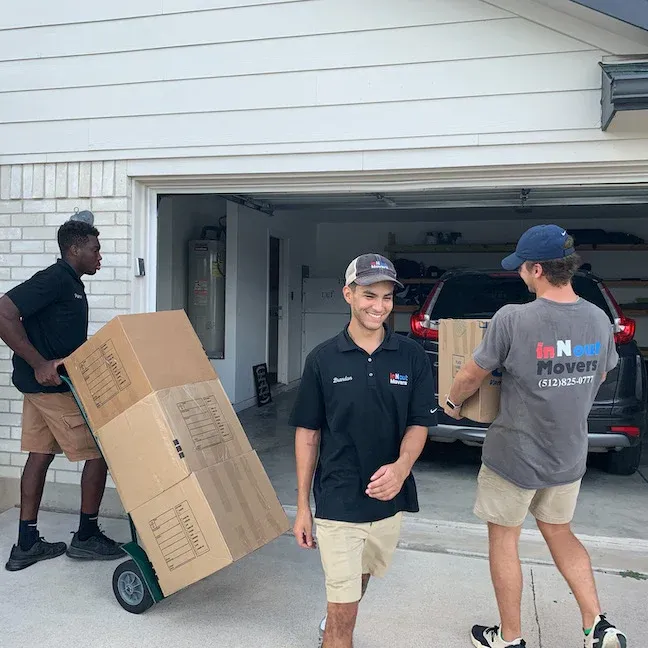
Austin movers do not have one standard price. Local moves are usually priced by the hour, so the total comes down to how long the crew works: how much you have, how much is already packed, stairs, elevators, parking distance, building rules, and extras like packing or furniture assembly. The only reliable number for your move is a written quote built from your actual inventory and access details.
Before you compare companies, it helps to know what movers use to build a quote. The factors below decide most Austin moving costs, and most of them are things you can document or prepare before anyone gives you a number.
What Changes the Price of an Austin Move
Most Austin moving quotes are built from the same practical inputs.
| Quote factor | Why it changes the price |
|---|---|
| Crew size | More movers can raise the hourly cost but often shorten the total job. |
| Labor time | On an hourly-priced move, packing status, access, and furniture placement all affect the total hours. |
| Stairs, elevators, and loading docks | Carries take longer, and some buildings require reservations that shape the schedule. |
| Parking and carry distance | A truck parked far from the door adds time to every trip. |
| Home size and inventory | More rooms, boxes, and furniture mean more hours and sometimes a larger crew. |
| Packing scope and materials | Full or partial packing adds labor and materials, and the quote should list both. |
| Furniture disassembly and assembly | Beds, desks, and sectionals that need tools add time at both ends. |
| Heavy or specialty items | Safes, pianos, gym equipment, and oversized pieces can need extra movers or planning. |
| Extra stops | A storage unit, donation drop, or second pickup adds route time and labor. |
| Route timing and traffic | Austin congestion can keep the crew on the clock longer than mileage suggests. |
The same two-bedroom can price very differently across town. A ground-floor apartment with reserved parking is a different job from a third-floor unit with a long hallway, a shared elevator, and street parking only.
Austin Access Details That Add Labor Time
Access often creates the biggest difference between Austin quotes. Ask the property manager or building office about move rules early, and share everything with the mover during quote intake.
The Domain and North Austin
Apartment and condo moves around The Domain and North Austin often run through parking garages, shared elevators, and long interior hallways. Garage clearance can decide where the truck stages, and some buildings want elevator reservations or mover paperwork before move day. Apartment moving quotes should reflect those details from the start.
Mueller, Seaholm, and Downtown
Moves around Mueller, Seaholm, and downtown Austin tend to hinge on loading docks, freight elevators, street parking, and fixed move windows. A crew that cannot stage near the entrance loses time on every carry, so the quote should account for dock schedules and where the truck can legally wait.
South Congress and South Lamar
South Austin moves around South Congress and South Lamar mix older apartment complexes, tight lots, stairs, and limited street parking. Confirm the carry distance from door to truck at both addresses before the quote is written.
Offices and Commercial Spaces
Austin office moves add building paperwork and downtime pressure. Freight elevator reservations, certificates of insurance, and after-hours rules are common variables, and the estimate should show how each was handled. See how commercial moving scope changes a quote.
Traffic and route timing can change the crew schedule even when the mileage looks short. If the route crosses I-35, MoPac, or downtown, ask how the planned start time and move window affect the quote.
Local and Long-Distance Quotes Work Differently
A local Austin move is usually priced on hourly labor. A longer route adds distance, delivery timing, and destination access to the calculation, and long-distance moving quotes should spell out pickup and delivery windows. If the route crosses a state line, ask whether you are hiring the mover or a broker. FMCSA’s Protect Your Move guide explains why that distinction matters.
What a Written Austin Quote Should State
When you request estimates, ask each company to put the full scope in writing. A useful quote states:
- The pricing method: hourly or another structure, and what the rate covers.
- Crew and truck scope: how many movers and what equipment arrives.
- Minimum hours, if the company uses them.
- Travel or trip charges, if any apply.
- Packing materials, and whether they are included or billed separately.
- Extra stops, such as a storage unit or second pickup.
- Heavy or specialty items and how the crew will handle them.
- Valuation or protection options for your belongings.
- What can change the total, such as added inventory, long carries, or an unreserved elevator.
A quote that covers these points gives you a real basis for comparison and fewer open questions on move day.
Valuation and Protection Options
Valuation is the mover’s liability for loss or damage. It is not the same as a separate insurance policy. For interstate moves, the FMCSA Protect Your Move guide explains released value protection, the minimum option based on 60 cents per pound per article, and full value protection, which carries different terms. For Texas moves, ask what valuation options appear in the written quote and read the mover’s documents before loading begins. Mention high-value, fragile, or hard-to-replace items during the quote conversation rather than on moving day.
How to Compare Estimates and Spot Red Flags
Compare scope before price. A lower number can hide a smaller crew, no materials, or access problems the mover never asked about. Two quotes compare fairly only when both companies priced the same inventory, the same access, and the same services.
Ask each company for its license numbers. In Texas, household goods movers are licensed through TxDMV, and the state’s Don’t Make a Move guide explains written estimates, moving services contracts, and your rights. For moves that cross state lines, the FMCSA Protect Your Move site covers estimates, valuation, and broker questions.
Who Are the Best Movers in Austin?
The right Austin mover for your job verifies its license, asks about your building before pricing, and puts the full scope in writing. Treat “best” claims and superlatives as marketing until the paperwork supports them.
Red Flags Worth Walking Away From
- No written estimate, or a price quoted without asking about inventory or access.
- No verifiable registration or license information appropriate to the move.
- Pressure to sign blank or incomplete documents.
- A demand for a large cash deposit before the move.
- Vague answers about valuation or what happens if something is damaged.
- A quote that ignores the stairs, elevator, parking distance, or move window you described.
These red flags reflect consumer warnings from TxDMV and FMCSA.
How to Lower Labor Time on an Hourly-Priced Move
On an hourly-priced move, preparation is what saves money. Every minute the crew spends waiting on an elevator, searching for parking, or repacking an open box is time on the clock.
- Pack and seal every box before the crew arrives.
- Label each box with its destination room.
- Reserve the elevator or loading dock as early as the building allows.
- Arrange the closest legal parking for the truck at both addresses.
- Clear hallways, stairs, and doorways before move day.
- Disassemble simple furniture you are comfortable handling, or include assembly in the quote.
- Send gate codes, building rules, and COI requests during quote intake.
- Declutter before the quote so you are not paying to move things you plan to discard.
- Keep documents, medications, chargers, and valuables with you.
If you want the crew to handle the boxes, packing services can cover the whole home or just the fragile rooms. If you have your own truck or container, labor-only moving covers the loading and unloading hours without a full-service move.
Is There a Cheapest Day to Hire Movers?
There is no universal cheapest day to hire movers. Scheduling demand can vary by day, lease timing, and season. If your dates are flexible, ask each mover how the day, start time, and route timing affect the quote instead of assuming a weekday discount exists.
What to Send for an Accurate Austin Quote
An accurate quote starts with accurate information. When you request estimates, include:
- Move date and any fixed move-in or move-out window.
- Both addresses and whether each stop is a house, apartment, condo, office, or storage unit.
- Bedrooms and a rough box count.
- Large furniture, garage or patio items, and anything that needs disassembly.
- Stairs, elevators, loading docks, and hallway distance.
- Parking details at both addresses.
- Packing help needed, if any.
- Heavy, fragile, or high-value items.
- Extra stops, such as a storage unit.
- Building rules: elevator reservations, COIs, gate codes, and approved move windows.
Photos help where access is hard to describe. Send pictures of the stairwell, the elevator, the loading dock, the garage entrance, and the street where the truck would park.
Austin Moving Cost FAQs
How much are movers in Austin, TX?
Local movers in Austin are usually priced by the hour, and the total depends on crew size, labor time, stairs, elevators, parking distance, packing scope, and any extra services. A written quote based on your inventory and access details is more useful than a generic price range.
What is the biggest factor in an Austin moving quote?
Labor time is usually the biggest factor in a local Austin move. Stairs, elevators, long carries, parking distance, packing status, and furniture assembly all change how many hours the crew works.
What are red flags when hiring movers?
Red flags include no written estimate, no verifiable registration or license information for the move, pressure to sign incomplete paperwork, a demand for a large cash deposit upfront, vague answers about valuation, and a quote that ignores the access details you described.
How can I lower the cost of my Austin move?
Reduce labor time. Pack and seal boxes before the crew arrives, label them by room, reserve the elevator or loading dock, arrange close parking, and share building rules, gate codes, and COI requests during quote intake.
Get an Accurate Austin Moving Quote
inNout Movers serves Austin homes, apartments, offices, and cross-metro routes through its Austin moving team. Local moving quotes account for crew time, inventory, building access, and the services you choose. Share your addresses, access details, and timing so the quote team can prepare an estimate around the work your move requires. Request your Austin quote.
Helpful details
Quick answers
How much are movers in Austin, TX?
Local movers in Austin are usually priced by the hour, and the total depends on crew size, labor time, stairs, elevators, parking distance, packing scope, and any extra services. A written quote based on your inventory and access details is more useful than a generic price range.
What is the biggest factor in an Austin moving quote?
Labor time is usually the biggest factor in a local Austin move. Stairs, elevators, long carries, parking distance, packing status, and furniture assembly all change how many hours the crew works.
What are red flags when hiring movers?
Red flags include no written estimate, no verifiable registration or license information for the move, pressure to sign incomplete paperwork, a demand for a large cash deposit upfront, vague answers about valuation, and a quote that ignores the access details you described.
How can I lower the cost of my Austin move?
Reduce labor time. Pack and seal boxes before the crew arrives, label them by room, reserve the elevator or loading dock, arrange close parking, and share building rules, gate codes, and COI requests during quote intake.