
How to Quote a Move
Learn what movers need for an accurate quote, including addresses, inventory, access, packing scope, timing, and special items.
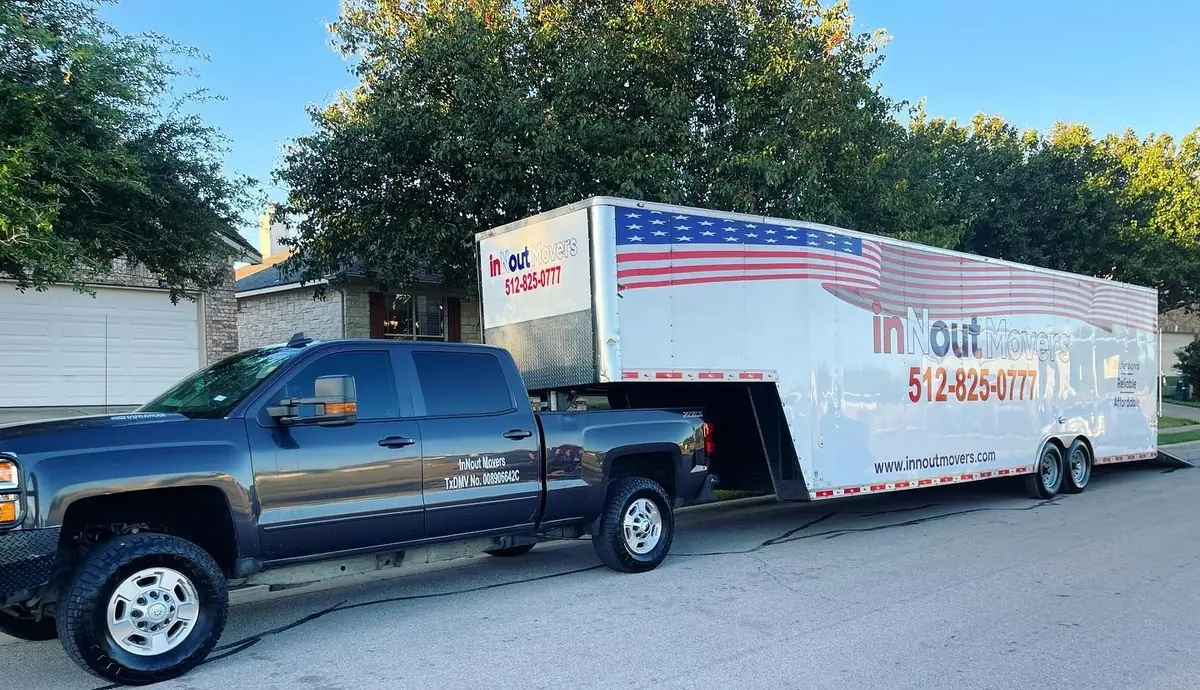
An accurate moving quote starts with a clear scope. Before a mover can price the job, they need to understand what is moving, where it is going, how hard both addresses are to access, and which services you want the crew to handle.
The fastest way to get a better quote is to describe the move the way the crew will experience it: addresses, rooms, stairs, elevators, parking, large furniture, boxes, packing status, extra stops, and any building rules that could slow loading or unloading.
What Movers Need Before They Quote the Job
Use this list before you call, text, or submit a quote form.
| Quote detail | Why it matters |
|---|---|
| Move date and timing window | Crew availability, building access, traffic, and schedule fit all depend on the date. |
| Origin and destination addresses | Drive time, truck routing, parking, and service-area fit start here. |
| Home or unit size | Bedrooms help estimate volume, but they are only a starting point. |
| Inventory by room | Large furniture, box count, garage items, patio items, and storage bins drive labor time. |
| Access at both addresses | Stairs, elevators, long carries, gate codes, loading zones, and driveway limits change the crew plan. |
| Packing status | Packed boxes move faster than loose items, open bins, or last-minute packing. |
| Special items | Pianos, safes, large exercise equipment, oversized sectionals, glass tops, and antiques may need extra planning. |
| Extra stops | Storage units, donation drop-offs, furniture pickups, and second destinations change timing. |
| Services needed | Local moving, packing, labor-only loading, furniture assembly, storage moving, and long-distance moving are scoped differently. |
If you are not sure how many boxes you will have, give a realistic estimate and update it before move day. A quote based on 30 boxes will not behave like a job with 90 boxes, loose closet items, and a full garage.
Local Moving Quotes
Most local moves are quoted around time, crew size, truck access, and the amount of work at each address. Mileage still matters, but a short Round Rock move can run longer than expected if the apartment has a long hallway, a full elevator schedule, or parking far from the unit.
For a local quote, be specific about:
- Number of bedrooms, offices, garages, patios, and storage spaces.
- Approximate box count and whether boxes will be sealed before arrival.
- Beds, desks, dining tables, shelving, and other items that need disassembly.
- Stairs at either address, including exterior steps.
- Elevator reservation rules and whether movers can use the main elevator.
- Truck parking distance from the door.
- Any items that are not being moved.
For Round Rock and nearby moves, the route can also matter. Moves that cross I-35, University Boulevard, SH-45, US-79, or nearby apartment corridors can benefit from a start time that avoids the worst access and traffic windows.
Long-Distance Moving Quotes
Long-distance quotes need more detail because the cost is shaped by more than loading time. Inventory, packing condition, route, delivery access, valuation choice, storage needs, and delivery expectations all matter.
Before comparing long-distance quotes, ask:
- Is the company the mover, a broker, or both?
- Who is responsible for loading, transportation, and delivery?
- What is included in the written estimate?
- What changes the final price?
- How are pickup and delivery windows communicated?
- What happens if the destination cannot receive the truck on the planned day?
- Which valuation option is included, and what would upgraded protection cost?
For interstate moves, FMCSA consumer guidance is worth reading before you sign. It explains valuation options, written estimate expectations, and the difference between mover liability and separate insurance products.
Phone, Online, Video, and In-Home Quotes
A quote does not have to happen in person to be useful, but the mover needs enough information to see the job clearly.
| Quote method | Best fit | Watch for |
|---|---|---|
| Phone or online form | Smaller local moves, simple apartments, clear inventory | Easy to undercount boxes, garage items, and access problems. |
| Photo or video quote | Apartments, homes with tight access, furniture-heavy rooms | Show the full path from truck parking to the door, not only the rooms. |
| In-home or walk-through estimate | Larger homes, long-distance moves, estates, complex access | Make sure the written estimate matches what was discussed. |
If you use photos or video, include closets, garage shelves, patios, sheds, storage units, attic items, and the route from parking to the door. A beautiful photo of the living room does not tell the crew how long the carry is.
What Makes a Moving Quote Change
Most quote problems come from missing scope, not bad math. These are the common reasons a moving quote changes:
- More items than the original inventory showed.
- More boxes than expected.
- Loose items that should have been packed.
- Stairs, elevators, gates, or long carries not mentioned up front.
- Furniture that needs disassembly before it can leave the room.
- Heavy items that need extra movers or equipment.
- Extra stops added after the quote.
- Parking that forces the truck to sit far from the entrance.
- Building rules that delay loading or unloading.
The simplest way to avoid quote drift is to update the mover as soon as the scope changes. If you add a storage unit, buy a large sectional, decide to move patio furniture, or realize the new apartment has a long elevator reservation process, tell the mover before moving day.
Questions to Ask Before You Book
Ask the same questions of every mover so the quotes are easier to compare.
- What is included in the quote?
- Is there a minimum charge?
- Is travel time billed separately or included?
- Are packing materials included or charged separately?
- What happens if the move takes longer than expected?
- What forms of payment are accepted?
- What is the cancellation or rescheduling policy?
- What items cannot be moved?
- What valuation option is included?
- Are the movers employees, contractors, or subcontractors?
- Who should I call on move day if access changes?
A low number without clear scope is not a better quote. A useful quote should make the move easier to understand, not leave the important parts for move day.
What to Send With Your Quote Request
If you want the quote conversation to move quickly, send a short, organized summary:
Move date:
Origin address:
Destination address:
Home size:
Approximate boxes:
Large furniture:
Stairs/elevators:
Parking/loading notes:
Packing help needed:
Furniture assembly needed:
Extra stops:
Items not moving:
Timing limits:
For apartments and condos, add the building number, floor, elevator reservation rules, gate code, loading-zone details, and whether the leasing office requires a certificate of insurance. For houses and townhomes, note driveway length, narrow streets, upstairs bedrooms, garage items, attic items, and patio furniture.
How to Compare Moving Quotes
Do not compare only the bottom-line number. Compare the scope behind the number.
| Compare this | Why it matters |
|---|---|
| Crew size | A cheaper two-person crew can cost more if the job really needs three movers. |
| Minimums | A low hourly rate with a high minimum may not be cheaper for a small move. |
| Travel fee | Some movers bill travel separately; some include it in the minimum. |
| Packing materials | Shrink wrap, boxes, mattress bags, and specialty materials may be separate. |
| Access assumptions | Stairs, elevators, and long carries need to be written into the scope. |
| Valuation | Released value and full value protection are not the same thing. |
| Long-distance terms | Pickup windows, delivery windows, storage, and broker status all matter. |
If one quote is much lower than the rest, ask what is missing. It may be a real deal, but it may also exclude travel time, materials, enough crew, valuation options, or hard access details.
Valuation, Liability, and Insurance
Valuation is not the same as moving insurance. Valuation describes the mover’s liability option for loss or damage. Insurance is a separate insurance product.
FMCSA explains that interstate movers must offer full value protection and released value protection. Released value protection is the minimum option and is based on 60 cents per pound per article. Full value protection provides a different level of mover liability but may cost more and has its own terms.
For moves within Texas, TxDMV says licensed movers are required to provide the “Your Rights and Responsibilities When You Move in Texas” document before loading. Review the paperwork before moving day so you understand the estimate, moving services contract, inventory, and valuation language.
If you own high-value items, do not wait until the truck is loaded to ask about protection. Ask during the quote process, keep documentation, and make sure the final paperwork matches the option you selected.
When to Request a Quote
Request a quote as soon as the date and addresses are reasonably clear. Earlier is better for weekend moves, end-of-month moves, summer moves, apartment move-in windows, and long-distance routes.
If your date is not final, say that. A mover can usually help you understand which windows are likely to be easier to schedule. If your lease, closing, or key release is still uncertain, avoid a plan that depends on everything going perfectly.
Turn the Quote Into a Move Plan
Once you have a written quote, use it as the move plan:
- Confirm the arrival window.
- Confirm the inventory and services.
- Confirm stairs, elevators, parking, and gate codes.
- Confirm items that need disassembly or careful handling.
- Confirm payment method and contact person.
- Keep the quote, inventory, and building rules together.
If you are moving in Central Texas, start with a written moving quote and include the access details that make the job real. For local help, review Round Rock movers before comparing crew size and timing.
For longer routes, start with long-distance moving so delivery timing and valuation are part of the conversation from the beginning.
Source checks
Local details worth checking before you book
- FMCSA valuation and moving protection guidance Federal consumer guidance explaining released value, full value protection, and insurance distinctions for interstate moves.
- TxDMV moving company consumer guidance Texas mover licensing, estimate, contract, and rights-and-responsibilities guidance.
Helpful details
Quick answers
What information do movers need for a quote?
Short answer: movers need both addresses, move date, home size, inventory, stairs, elevators, parking distance, packing scope, heavy items, extra stops, and any building rules before they can estimate the job well.
Can movers quote a move over the phone?
Short answer: yes, but the quote is only as accurate as the information provided. Photos, videos, inventory lists, and access notes make a phone or online quote much more reliable.
What makes a moving quote go up?
Short answer: stairs, long carries, elevators, parking limits, packing help, heavy items, extra stops, last-minute changes, and inaccurate inventory are the most common reasons a move costs more than expected.
Should I get more than one moving quote?
Short answer: yes. Comparing two or three written quotes helps you understand the scope, minimums, travel fees, valuation options, and whether the mover is clear about what is included.
Is valuation the same as moving insurance?
Short answer: no. Valuation is the mover's liability option for loss or damage, while insurance is a separate insurance product. FMCSA describes full value protection and released value protection for interstate moves.