
How Moving and Storage Services Can Help Simplify a Relocation with Temporary Storage Needs
Temporary storage can bridge a closing date, a lease gap, or a renovation. Here is how movers handle pickup, storage, and delivery.
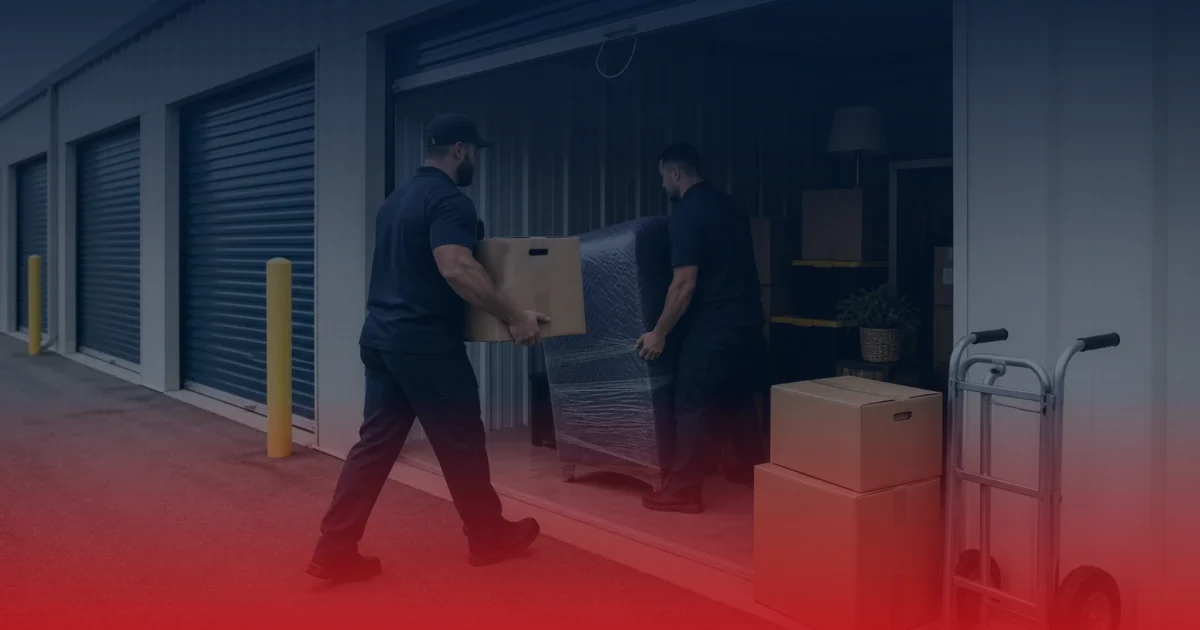
A temporary storage unit gives a move somewhere to pause. You keep the unit in your name, a moving crew loads your belongings, hauls them to the facility, and unloads them inside, and the crew comes back when your new home is ready. The arrangement covers a closing date that slips, a lease that ends before the next one starts, or a renovation that finishes after the truck arrives.
inNout Movers handles the loading, transport, and unloading. The company does not rent storage units or operate a warehouse, and that split of duties is normal for a local mover. Knowing who controls what makes the dates easier to line up, and keeps the plan from depending on a verbal promise.
When a storage gap is the practical answer
A move with storage usually means the two addresses overlap badly, or one of them is not ready. Common situations:
- The house sells before the next one closes, and the buyer wants possession on a fixed date.
- A lease ends on the last day of the month while the new lease starts two weeks later.
- A renovation, a build, or a repair delays the move-in date after the truck is already booked.
- A home needs to be staged and emptied before showings, with the family moving into temporary housing.
- A downsizing move needs time, because nobody wants to decide about thirty years of belongings in one weekend.
- A long-distance move has a delivery spread, and the driver cannot hold your goods on the truck for a week.
- A job assignment puts the household in a short-term rental before the permanent address is settled.
The common thread is a gap. A storage unit buys time, but it also adds a second loading event, so it pays to plan the gap instead of discovering it on move-out day.
How moving with storage works
There are three arrangements, and they are priced differently.
The first is a storage stop inside one move. The crew loads your home, drives to the unit, unloads the items that will wait there, then continues to the new address with the rest. This works well for overflow, seasonal items, and gaps of a few days. Expect the quote to include the extra stop and the time it takes to unload twice.
The second is a move into storage now and a second move later. The crew empties your home into the unit, and weeks or months later a crew loads the unit and delivers to your new address. This is two jobs with two truck loads, but it keeps the unit in your name and gives you a clean date to work toward.
The third uses a portable container. A container company drops a container at your home and later moves it to its storage yard or your new address. A moving crew loads and unloads it. Containers need somewhere legal to sit, and many HOAs and apartment communities do not allow one on the property, so confirm that before you book.
In all three, the storage facility handles the unit, the gate, the security, and the access hours. The mover moves the boxes. You handle the inventory and the decisions about what stays behind, which is the part no one else can do for you.
Coordinate the pickup and storage dates first
Reserve the unit before you lock in the crew. The unit size drives the truck plan, and the facility’s access hours decide whether the job fits in one day.
Questions worth asking the facility before you pay a deposit:
- What unit size fits this inventory? Send the facility your room-by-room list and let it size the unit. Rules of thumb vary by operator.
- Is the unit drive-up, or does it open onto an interior hallway? Interior units mean longer carries, dollies, and sometimes an elevator.
- What are the gate and office hours, including weekends and holidays?
- Does the facility require a reservation for the loading area or the freight elevator?
- Is the unit climate controlled? Texas heat and humidity are hard on wood, leather, electronics, and photographs.
- Does the rental agreement have a minimum term or a notice period before move-out?
- Does the facility require proof of insurance or a protection plan?
Then walk the route at the facility once. A truck that cannot turn into the drive aisle turns a one-hour unload into a long afternoon.
Prepare belongings for time in storage
Items packed in a hurry come out of storage worse. Damp cardboard, food crumbs, and sealed plastic can turn a two-week stay into a permanent loss.
- Clean and dry every item before it goes in. Wipe down furniture, wash and dry linens, and empty the vacuum canister.
- Skip the food. An open box of crackers or a bag of pet food invites pests into a unit that may sit closed for weeks.
- Leave out the flammables: propane tanks, gasoline, paint, paint thinner, pesticides, aerosols, and ammunition.
- Wrap wood and upholstery in moving blankets or pads. Sealed plastic can trap moisture against the surface; use it for mattresses and fabric that needs a dust barrier, and let the piece breathe.
- Keep photographs, documents, jewelry, medications, and small valuables with you.
- Disassemble beds, tables, and shelving. Bag the bolts and brackets, label the bag, and tape it to the frame.
- Label boxes on the side, not the top, so you can read them from the aisle. Number each box and keep a list on your phone.
Heat is the local risk. An unconditioned unit in Central Texas can get hot enough to soften adhesives, warp wood, and damage electronics. If the contents include furniture, instruments, or a computer setup, compare the cost of a climate-controlled unit before you decide.
Organize the unit so the second move is faster
How you load the unit decides how long the move-out takes. The crew will follow the plan you leave, so leave one.
Put the items you will not need for months at the back: holiday boxes, out-of-season clothing, spare furniture. Keep the things you expect to retrieve, like tools, documents, or the kids’ sports gear, near the door and above the floor.
Leave a walking aisle. Boxes stacked tight to the ceiling feel efficient until someone has to pull one out from the bottom of a wall.
Set boxes and furniture on pallets or boards instead of bare concrete, which wicks moisture. Stack in columns rather than a pyramid, keep heavy boxes low, and turn every label toward the aisle.
Photograph the loaded unit and keep a simple map of which zone holds which room. On move-out day, that map saves the crew from opening every box to find the kitchen.
Plan the delivery, not just the storage
The second half of the move needs the same attention as the first. Before the crew loads the unit for delivery:
- Read the rental agreement for the notice required before move-out, and give the facility that notice in writing.
- Confirm access at the destination: elevator reservation, certificate of insurance for the building, gate code, parking, and the hours the property allows moves.
- Turn on the utilities a day or two before delivery, so the new place has power and water when the boxes arrive.
- Tell the crew what needs reassembly and where each room’s boxes go.
- Check the inventory as items come off the truck. Note any damage in writing before you sign, and photograph it.
What temporary storage adds to the cost
A storage bridge costs more than a direct move, and the reasons are easy to see once they are listed.
You pay for the unit’s rent, a deposit, and often a minimum rental period. You pay for two loading and unloading events, not one, plus the truck time between them. Packing materials go up when items will sit for a while. Climate control, an elevator, or a second stop each add to the bill.
Ask for a written quote that separates the stops, the crew size, the packing scope, and any heavy items. Then ask what would change the number: stairs, a long carry, a gate code that does not work, a unit packed to the door, or a delivery address that turns out to be on the third floor.
Choosing movers for a move with storage
Any company can say it handles storage moves. The paperwork tells you whether it can.
For a move inside Texas, the company needs an active household goods certificate from the Texas Department of Motor Vehicles. You can check the number on the TxDMV site before you book; inNout Movers operates under TxDMV 008906642C and USDOT 3398697. For a move across state lines, look up the USDOT number with the Federal Motor Carrier Safety Administration, and ask for the federal rights and responsibilities booklet the carrier is required to provide.
Ask what coverage applies while your goods are in the truck and in the unit. Federal rules for interstate moves set basic released-value protection at 60 cents per pound per article, which is usually far below replacement value; Texas rules for a move inside the state work differently. Our guide to moving valuation and insurance explains the difference between the mover’s liability and a separate policy.
Then read recent reviews with specifics: a named crew, a storage unit, a difficult stairwell. A page of five-star lines with no detail tells you less than three reviews that describe the same kind of job you are planning. Our recent customer reviews are a reasonable starting point.
Walk away from a company that will not put terms in writing, quotes a number far below every other bid, asks for a large cash deposit, or offers to keep your belongings at “our place” without a storage agreement that names the address and the monthly charge.
A simple plan for a storage move
Start with the unit: size it from your inventory, confirm access hours, and ask about climate control. Book the crew for a date that leaves time inside the facility’s hours. Pack for the wait, load the unit so the back holds what you will not need, and keep a map. When the new address is ready, confirm the building’s access rules, turn on the utilities, and check the inventory as it comes off the truck.
If your move needs a storage stop, the storage moving service covers loading, transport, and unloading into a unit you choose. Pair it with packing help if the contents will sit for months, or labor-only help if you already have the truck and the unit. When you are ready to set dates, request a moving quote and list every stop, the unit size, and the access details for both addresses.
Helpful details
Quick answers
Do moving companies provide storage units?
Most moving companies do not rent storage units. You rent the unit from a storage facility, and the mover loads, transports, and unloads your belongings into it. Ask any company that offers to keep your items on its own property for the written storage agreement.
How much does temporary storage add to a move?
Plan for two loading and unloading events instead of one, plus the unit's rent and deposit, moving materials, and any minimum rental term. A storage stop also adds truck time, so the quote should list each stop separately.
How should I prepare furniture for a storage unit?
Clean and dry every piece first. Wrap wood and upholstery in moving blankets or pads rather than sealed plastic, which can trap moisture. Disassemble beds and tables, bag the hardware, and tape it to the frame.
What should never go into temporary storage?
Keep food, plants, pets, propane tanks, gasoline, paint, pesticides, aerosols, and ammunition out of a storage unit. Documents, jewelry, medications, and anything you would replace at a loss should stay with you.
Can I move out of storage on a weekend?
That depends on the facility's gate and office hours. Confirm the access schedule for both the day you move in and the day you move out, and book the crew inside those hours with room to spare.