Round Rock Weather and Climate Year Round: Your Season-by-Season Guide
Darlene D • February 9, 2026
Understanding Round Rock weather and climate year round helps prepare for life in Central Texas. The climate significantly impacts daily activities, utility costs, and overall quality of life. Seasonal patterns influence everything from wardrobe choices to outdoor recreation planning.
Round Rock experiences a humid subtropical climate characterized by distinct seasons. Hot, muggy summers contrast with short, mild winters. The weather enables year-round outdoor activities with proper planning and timing. This comprehensive guide examines what to expect throughout the calendar year.
Overall Climate Characteristics
Round Rock climate falls within the humid subtropical classification typical of Central Texas. This designation reflects hot summers, mild winters, and moderate rainfall throughout the year. The climate supports a lengthy growing season and abundant sunshine.
Temperatures typically range from 41°F to 95°F annually. Extremes below 29°F or above 100°F occur infrequently. This relatively moderate range makes the climate adaptable for most people. However, summer heat intensity surprises many newcomers from temperate regions.
The city receives approximately 36 inches of rainfall annually. This total sits slightly below the U.S. average of 38 inches. Rain falls throughout the year with distinct wet and dry periods. Snowfall remains extremely rare with some years seeing no accumulation.
Round Rock enjoys abundant sunshine with approximately 3,013 hours annually. This translates to roughly 8.2 hours of sun per day on average. The sunny climate supports outdoor recreation and solar energy generation. However, it also drives substantial air conditioning costs during summer. Understanding cost of living in Round Rock includes accounting for seasonal utility variations.
Spring Weather: March Through May
Spring brings pleasant conditions ideal for outdoor activities and moving. Temperatures moderate from winter's chill without reaching summer's intensity. This transitional season showcases Texas wildflowers and comfortable weather patterns.
Temperature Patterns
March temperatures average 52°F to 72°F with increasing warmth throughout the month. Cool mornings require light layers that shed by afternoon. Occasional cold fronts can temporarily drop temperatures into the 40s.
April warms substantially with averages ranging from 59°F to 79°F. This month represents the sweet spot between cold and heat. Outdoor activities proceed comfortably throughout most days and evenings.
May temperatures climb toward summer levels averaging 66°F to 85°F. The month signals approaching heat with some days reaching the 90s. Humidity begins increasing making temperatures feel warmer than thermometer readings.
Rainfall and Storms
Spring represents Round Rock's wettest season overall. May stands as the rainiest month averaging 3.9 to 5.16 inches. Thunderstorms develop regularly bringing quick downpours and dramatic lightning displays.
The region faces its highest severe weather risk during spring months. Tornadoes remain possible though not common in the immediate area. Hail and damaging winds present more frequent concerns during severe storms.
Flash flooding can occur when heavy rains fall on already saturated ground. Low-water crossings become dangerous during and after storms. Residents should never attempt to drive through flooded roadways.
Outdoor Conditions
Spring offers ideal conditions for outdoor recreation and yard work. Wildflowers including famous Texas bluebonnets peak in April. Many families schedule outdoor photos during this brief but spectacular display.
Pollen levels surge during spring affecting allergy sufferers significantly. Oak, cedar, and grass pollen all contribute to seasonal allergies. Over-the-counter medications help manage symptoms for most people.
The growing season begins in mid-February typically. Gardeners can start planting warm-season vegetables and flowers. The risk of late freezes diminishes after mid-March in most years.

Summer Weather: June Through September
Summer dominates Round Rock's climate calendar lasting nearly four months. The hot season extends from early June through mid-September with intense heat. This period defines the Round Rock weather experience for many residents. For detailed weather patterns, explore comprehensive Round Rock climate data.
Extreme Heat Conditions
June temperatures average 72°F to 91°F marking summer's arrival. The month transitions from pleasant to genuinely hot conditions. Air conditioning becomes essential for indoor comfort as temperatures rise.
July and August represent the year's hottest months averaging 74°F to 95°F. Daytime highs routinely exceed 95°F with many days reaching 98°F or higher. Heat waves push temperatures above 100°F for extended periods some summers.
September remains quite hot averaging 69°F to 89°F throughout the month. Relief arrives gradually as the month progresses toward fall. However, temperatures in the 90s persist well into September regularly.
Humidity and Comfort Levels
High humidity compounds summer heat creating oppressive conditions. Dew points frequently reach 70°F or higher making air feel thick. Perspiration evaporates slowly reducing the body's natural cooling mechanism.
The muggier period lasts from mid-April through late October. July experiences the most muggy days with over 26 days feeling oppressive. Humidity levels reach 87% during peak summer creating genuinely miserable conditions.
Heat index values regularly exceed actual temperatures by 5 to 10 degrees. A 95°F day with high humidity feels like 105°F or hotter. These "feels like" temperatures create genuine health risks for vulnerable populations.
Summer Rainfall Patterns
Summer brings the year's driest conditions despite occasional storms. July and August average just 1.3 to 1.6 inches of rainfall monthly. This dry period stresses lawns and landscapes without supplemental watering.
Afternoon thunderstorms develop occasionally providing brief but intense rainfall. These storms form when daytime heating triggers atmospheric instability. Lightning, brief downpours, and gusty winds characterize these events.
Drought conditions can develop during particularly dry summers. Water restrictions may be implemented to preserve municipal supplies. Native and adapted plants handle dry periods better than non-native species.
Outdoor Activity Adjustments
Summer requires strategic timing for outdoor activities. Early morning before 9:00 AM offers the most tolerable conditions. Evening hours after 7:00 PM provide another comfortable window.
Midday outdoor activity becomes genuinely dangerous without precautions. Heat exhaustion and heat stroke risks increase substantially. Proper hydration, sun protection, and frequent breaks become essential.
Many residents shift to indoor recreation during summer peak. Air-conditioned gyms, shopping centers, and entertainment venues see increased traffic. Swimming pools and water parks provide popular cooling options. Exploring neighborhoods in Round Rock often includes evaluating access to pools and water features.
Fall Weather: October Through November
Fall brings relief from summer's oppressive heat gradually. This transitional season offers the year's most pleasant weather overall. Comfortable temperatures enable extensive outdoor activity and outdoor events.
Temperature Relief
October temperatures average 60°F to 80°F providing genuine relief. The month feels dramatically more comfortable than September. Cool mornings and pleasant afternoons characterize most days.
November continues cooling with averages from 51°F to 70°F. The month transitions from fall into early winter conditions. Some years bring warm spells while others turn genuinely cool.
First freezes typically occur in late November or early December. Sensitive plants require protection when freezes threaten. However, many fall days remain shirt-sleeve comfortable through Thanksgiving.
Rainfall and Weather Patterns
Fall rainfall picks up after summer's dry period. October averages about 3.1 inches of precipitation monthly. November sees approximately 2.4 inches providing needed moisture.
Severe weather risk diminishes significantly compared to spring. Thunderstorms occur less frequently and with less intensity. The weather becomes more predictable making outdoor planning easier.
Cold fronts begin pushing through more regularly during fall. These systems bring temporary temperature drops and occasional rain. The fronts create refreshing changes from lingering summer heat.
Ideal Outdoor Conditions
Fall represents peak season for outdoor recreation and events. Comfortable temperatures support hiking, biking, and outdoor sports. Many residents dramatically increase outdoor time during these months.
The shoulder season provides ideal moving weather as well. Comfortable temperatures make physical labor less draining. Moving companies offer better availability and pricing than summer peak.
Fall colors arrive later in Round Rock than northern regions. Trees turn in November and December rather than October. The display proves less dramatic than New England but still attractive.
Winter Weather: December Through February
Winter brings Round Rock's coolest but still mild conditions. The cool season lasts roughly three months from late November through February. Genuine cold snaps occur occasionally but remain brief.
Temperature Ranges
December temperatures average 43°F to 62°F throughout the month. Cool mornings require jackets while afternoons warm pleasantly. Some days feel like extended fall while others hint at winter.
January represents the coldest month averaging 41°F to 61°F. Morning lows in the low 40s occur regularly. However, daytime highs frequently reach the 60s providing warmth.
February begins warming toward spring averaging 45°F to 65°F. The month transitions from winter to spring conditions. Late February can feel genuinely spring-like on warm days.
Cold Snaps and Freezes
Arctic air masses occasionally push south bringing hard freezes. These "Blue Northers" can drop temperatures 30 degrees within hours. Temperatures may fall into the teens during the most severe events.
The 2021 winter storm demonstrated Texas's vulnerability to extreme cold. The unprecedented event brought snow, ice, and prolonged freezing temperatures. Power outages and burst pipes caused widespread damage. Understanding the average salary in Round Rock helps budget for emergency weather preparations.
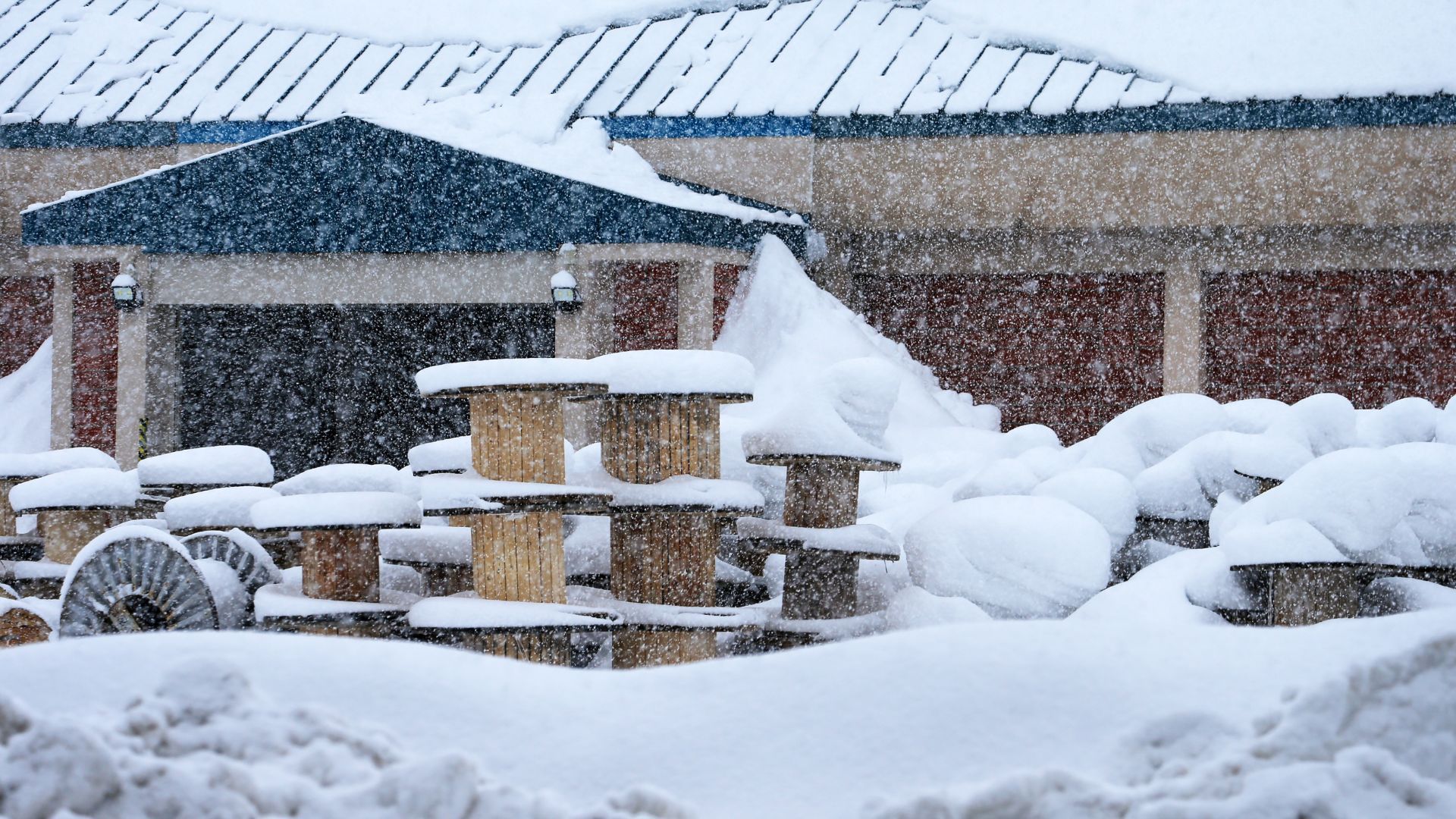
Most winters pass without significant snow or ice accumulation. Some years see no frozen precipitation whatsoever. When snow does fall, it typically melts within 24 to 48 hours.
Winter Precipitation
Winter rainfall averages 1.7 to 1.9 inches per month. This relatively low amount creates the year's driest period overall. Gray, drizzly days occur but don't dominate the season.
Ice storms remain rare but pose serious threats when they occur. Freezing rain creates treacherous driving conditions immediately. The city lacks extensive ice management equipment given rarity.
Snow accumulation exceeding two inches happens once every few years. When it does occur, the city essentially shuts down. Schools close and residents stay home until melting occurs.
Winter Activities and Lifestyle
Mild winter weather enables year-round outdoor activity. Hiking, biking, and sports proceed comfortably on most winter days. Sunny afternoons in the 60s feel delightful after cold mornings.
Heating costs remain modest compared to northern states. Natural gas heating systems operate intermittently rather than constantly. Average winter heating bills stay reasonable for most households.
The holiday season proceeds without snow creating different traditions. Outdoor Christmas lights displays flourish in the mild weather. Families enjoy outdoor holiday activities impossible in colder climates.
Best Times to Visit and Move
Determining optimal timing for visits or relocations depends on priorities. Weather preferences, crowd avoidance, and activity interests all influence ideal periods. Multiple seasons offer distinct advantages for different purposes.
Optimal Weather Windows
Early fall from mid-September through October offers the best overall weather. Temperatures moderate while humidity decreases substantially. This period provides maximum outdoor comfort for most activities.
Spring from early April through May represents another excellent weather window. Comfortable temperatures and blooming landscapes create attractive conditions. However, occasional storms and higher pollen complicate this period.
Late fall and winter provide comfortable conditions for cold-averse individuals. Temperatures rarely drop uncomfortably low for outdoor activities. Sunshine remains abundant throughout these months consistently.
Moving Considerations
Fall moving from September through October provides ideal conditions. Comfortable temperatures make physical labor more tolerable. Moving companies offer better availability than summer peak season.
Spring moving from March through May offers another good window. However, rain potential complicates loading and unloading activities. Covering belongings protects against sudden downpours during moves.
Avoid summer moving from June through August if possible. Extreme heat creates health risks and discomfort. Professional movers charge premium rates during this peak season. When moving to Round Rock, timing significantly impacts both comfort and cost.
Preparing for Round Rock's Climate
Successfully adapting to Round Rock weather and climate year round requires preparation. Proper clothing, home systems, and lifestyle adjustments ease the transition. Understanding what to expect prevents surprises and disappointment.
Essential Wardrobe Items
Summer wardrobes should emphasize light, breathable fabrics. Cotton and moisture-wicking materials work better than synthetics. Sun protection including hats and sunglasses becomes essential equipment.
Winter clothing needs remain modest compared to northern states. A good jacket, sweater, and long pants handle most cold days. However, keep heavier coats for occasional hard freezes.
Layering proves essential for managing daily temperature swings. Mornings may start in the 40s while afternoons reach the 70s. Removable layers accommodate these variations throughout the day.
Home Climate Control
Reliable air conditioning represents non-negotiable necessity in Round Rock. Central AC systems should receive annual maintenance before summer. Budget for substantial electricity costs from May through September.
Heating systems receive lighter use but still require maintenance. Natural gas furnaces or heat pumps should be serviced annually. Backup heating sources provide security during rare severe cold snaps.
Weatherization including insulation and window treatments reduces utility costs. Properly sealed homes stay cooler in summer and warmer in winter. These improvements provide year-round comfort and savings.
Lifestyle Adaptations
Adjust activity schedules around weather extremes strategically. Plan outdoor activities for early morning or evening during summer. Midday indoor time becomes routine during hot months.
Hydration requires conscious attention year-round but especially in summer. Dehydration occurs rapidly in hot, humid conditions. Carry water bottles and drink regularly before feeling thirsty.
Embrace indoor recreation options during weather extremes. Gyms, shopping centers, and entertainment venues provide climate-controlled alternatives. Many residents view summer as indoor season similar to northern winters.
Conclusion
Round Rock weather and climate year round features distinct seasons with varying characteristics. Hot, humid summers dominate the annual experience requiring adaptation. Mild winters and pleasant spring and fall periods balance the summer intensity.
The climate enables year-round outdoor activities with proper timing and preparation. Abundant sunshine supports active lifestyles when heat doesn't constrain activity. Understanding seasonal patterns helps newcomers adapt successfully.
Most residents acclimate to the climate within their first year. The trade-offs of intense summer heat versus mild winters suit many people. However, those strongly preferring temperate climates may struggle with summer conditions.
Proper preparation including appropriate clothing, home systems, and lifestyle adjustments eases adaptation. The climate shouldn't prevent relocation if other factors align favorably. However, realistic expectations about summer heat prevent disappointment after moving.
InNout Movers: Your Texas Relocation Experts