Round Rock, Texas Natural Disasters: Understanding Risks and Staying Prepared
Darlene D • February 26, 2026
Understanding Round Rock, Texas natural disasters helps residents prepare for potential emergencies. Central Texas faces several weather-related hazards affecting safety and property. While not the most disaster-prone region, Round Rock experiences periodic severe events requiring preparedness.
The city's location in Williamson County creates vulnerability to specific hazards. Tornadoes, flash flooding, and extreme heat pose the most significant threats. Recent events demonstrate these risks remain very real for residents. This comprehensive analysis examines what disasters occur and how to prepare effectively.
Major Natural Disaster Risks
Round Rock, Texas natural disasters primarily involve weather-related phenomena. The subtropical climate combined with geographic factors creates specific vulnerabilities. Understanding each hazard type helps residents prepare appropriately for different scenarios.
Tornado and Severe Wind Threats
Round Rock faces a "severe" wind risk rating due to tornado potential. The city sits within Tornado Alley's southern reaches experiencing periodic outbreaks. Tornadoes can form rapidly from severe thunderstorms with little warning.
The strongest recorded tornado struck Round Rock in 1980 as an F3. This powerful tornado caused extensive damage across affected areas. The EF scale replaced the Fujita scale but the threat remains constant.
Most recently, a significant tornado event occurred on March 21, 2022. An EF-2 tornado with 135 mph winds tore through Round Rock. The storm damaged approximately 680 homes causing over $32 million in property losses.
Remarkably, no fatalities resulted from the 2022 tornado despite extensive damage. However, 16 people suffered minor injuries during the event. The outcome could have been far worse without warning systems and preparedness.
Tornado season peaks during spring months from March through May. However, tornadoes can occur any time conditions support severe thunderstorm development. Fall tornadoes happen less frequently but still pose real risks. Understanding the cost of living in Round Rock should include potential weather damage expenses.
Severe thunderstorms without tornadoes still create dangerous straight-line winds. These wind events can exceed 70 mph causing significant damage. Trees, power lines, and roofs suffer damage from these powerful storms.
Large hail accompanies many severe thunderstorms in the region. Hail measuring 1 to 2 inches in diameter occurs regularly. Vehicle and roof damage from hail creates insurance claims annually.
Flash Flooding Hazards
Round Rock sits within an area meteorologists call "Flash Flood Alley." This unfortunate designation reflects Central Texas's flooding vulnerability. The region's geography and soil conditions create perfect flash flood conditions.
Heavy rainfall on rocky Hill Country soil produces rapid runoff. Creeks and streams rise dangerously fast during intense downpours. Low-water crossings become impassable within minutes of rainfall starting.
The most recent catastrophic flooding occurred in July 2025. A "mesoscale convective vortex" produced exceptional rainfall totals. This rare meteorological event dropped feet of rain across Williamson County.
The July 2025 flooding caused such extensive damage that federal aid became necessary. FEMA provided assistance to help residents and businesses recover. The disaster declaration enabled crucial financial support for affected parties.
While much of Round Rock sits outside 100-year flood zones, risk remains. The 500-year flood designation provides false security for many residents. Urban development increases flooding risk through increased impervious surfaces.
Rainfall intensities have increased due to climate change effects. The same rainfall that was rare 30 years ago now occurs more frequently. These changing patterns make historical flood maps less reliable predictors.
Flash flooding kills more people than tornadoes in Texas annually. The rapid onset catches drivers attempting to cross flooded roads. The National Weather Service warns "Turn Around Don't Drown" for good reason.
Extreme Heat Events
Summer extreme heat represents a recurring natural disaster threat. Round Rock regularly experiences temperatures exceeding 100°F during summer. These dangerous conditions create genuine health emergencies for vulnerable populations.
Historical data shows Round Rock averaged about 7 days above 100.9°F annually around 1990. Current climate projections suggest this number will increase dramatically. By 2050, the city may experience approximately 45 such days annually.
This sixfold increase in extreme heat days poses serious public health challenges. Vulnerable populations including elderly residents, children, and outdoor workers face elevated risks. Heat exhaustion and heat stroke become increasingly common during these periods.
Urban heat island effects make cities hotter than surrounding rural areas. Concrete, asphalt, and buildings absorb and retain heat intensifying temperatures. Neighborhoods with mature trees stay cooler than newer developments with less shade. When moving to Round Rock, understanding heat risks helps with home selection.
Power outages during extreme heat create life-threatening situations. Air conditioning becomes essential for survival rather than comfort. The February 2021 winter storm demonstrated grid vulnerability during extreme weather.
Winter Weather and Freezing Events
While rare, winter weather events occasionally create dangerous conditions. The February 2021 winter storm affected all of Texas including Round Rock. This historic arctic freeze brought prolonged subfreezing temperatures and snow.
The 2021 storm caused widespread power outages lasting days. Burst pipes damaged thousands of homes and businesses across the city. The infrastructure proved unprepared for such extreme and sustained cold.
Ice storms create treacherous driving conditions shutting down the city. Round Rock lacks snow removal equipment since events occur so infrequently. Even minor ice accumulation paralyzes traffic and commerce.
Subfreezing temperatures damage outdoor pipes and irrigation systems. Residents must protect exposed plumbing during freeze warnings. The cost of freeze damage repairs can reach thousands of dollars.
Hurricane Remnants and Tropical Systems
Round Rock's inland location protects it from direct hurricane impacts. However, decaying tropical systems bring heavy rainfall and wind. These remnant systems can drop substantial precipitation causing flooding.
Gulf Coast hurricanes occasionally track inland bringing moisture to Central Texas. The rainfall totals from these systems can equal or exceed typical thunderstorms. Sustained rainfall saturates soils increasing flash flood risks.
Tropical system winds rarely create significant damage this far inland. However, gusty conditions can topple trees and damage structures. The primary threat remains excessive rainfall rather than wind.
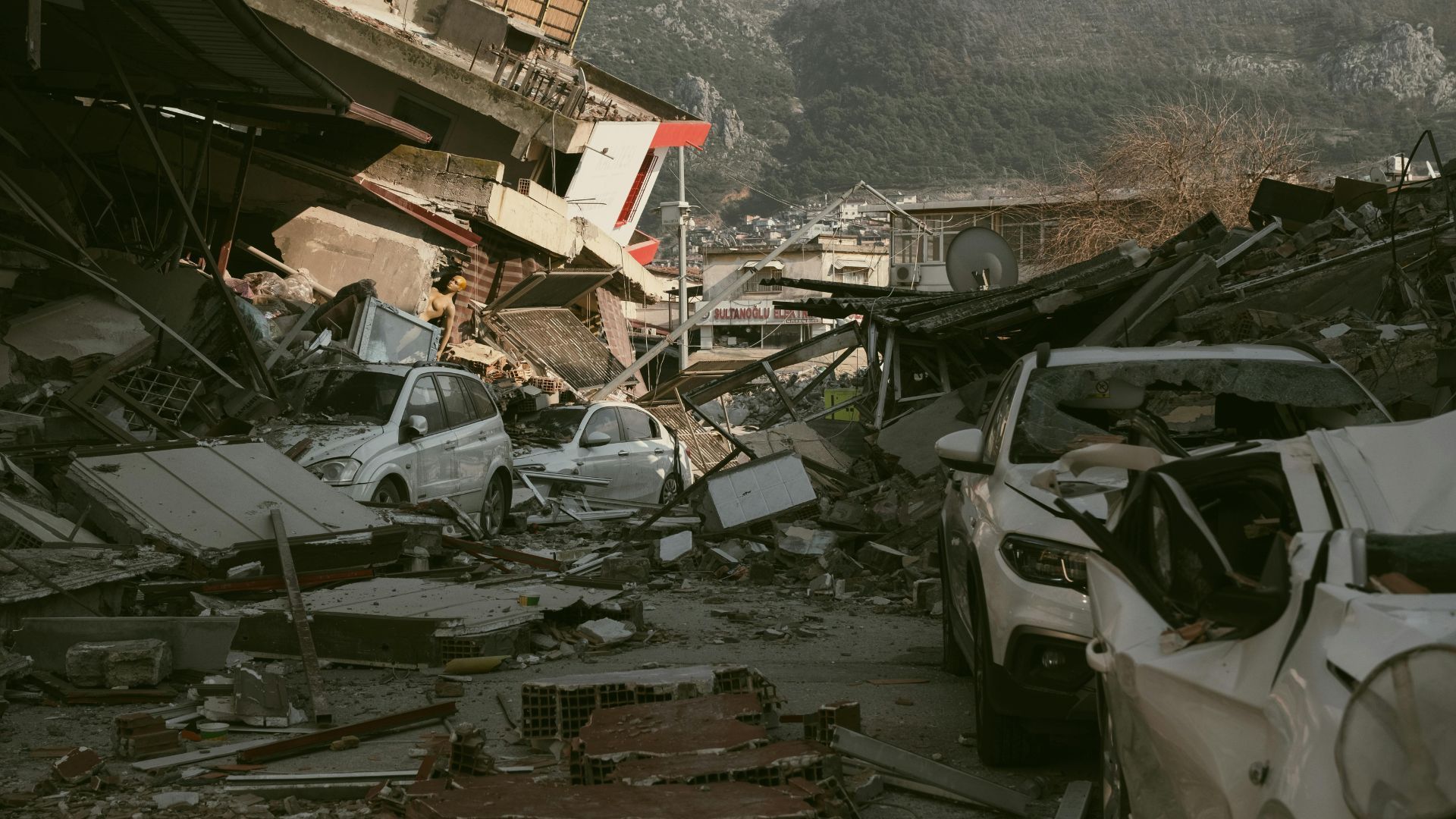
What Part of Texas Has the Most Natural Disasters
Understanding what part of Texas has the most natural disasters provides regional context. Different areas face different dominant hazards based on geography. Coastal, northern, and western Texas each have distinct risk profiles.
Coastal Texas Disaster Risks
Coastal Texas faces the state's most severe hurricane threats. Galveston, Corpus Christi, and Houston experience direct hurricane impacts. These powerful storms bring catastrophic wind, storm surge, and flooding.
Hurricane Harvey in 2017 demonstrated coastal vulnerability dramatically. The storm dropped 60 inches of rain on Houston causing historic flooding. Tens of billions in damage made Harvey one of the costliest U.S. hurricanes.
Coastal flooding from storm surge threatens communities directly on the water. Low-lying areas can experience a surge over 10 feet high. This saltwater flooding destroys everything in its path comprehensively.
North and East Texas Tornado Activity
North Texas and the Panhandle experience the most intense tornado activity. This region sits squarely in traditional Tornado Alley. Cities like Amarillo, Lubbock, and Wichita Falls face frequent severe weather.
East Texas near the Louisiana border also sees substantial tornado activity. The combination of Gulf moisture and atmospheric dynamics produces severe storms. Spring tornado outbreaks can spawn dozens of tornadoes in single days.
West Texas Drought and Wildfire
West Texas faces primarily drought and wildfire threats. The arid climate and sparse vegetation create perfect wildfire conditions. Lightning strikes and human activity ignite dangerous blazes regularly.
Drought affects agriculture and water supplies throughout West Texas. Multi-year droughts devastate ranching and farming operations. Water restrictions become necessary to conserve limited supplies.
Central Texas Balanced Risks
Round Rock's Central Texas location faces moderate risks across multiple hazards. The region doesn't experience the worst of any single threat. However, it faces multiple different natural disaster types.
Flash flooding remains Central Texas's most persistent hazard. The topography and rainfall patterns create perfect flash flood conditions. More people die from flooding than tornadoes here annually.
Tornadoes occur less frequently than in North Texas. However, they still pose very real threats during spring months. The March 2022 tornado proved destructive potential exists here.
Climate Change Impact on Future Risks
Climate change is altering natural disaster patterns and intensities. Round Rock will experience increasing risks across multiple hazard categories. Understanding these trends helps with long-term planning and preparation.
Increasing Extreme Heat
Heat risk projections show dramatic increases in dangerous days. The number of days exceeding 100.9°F will increase from 7 to 45 annually. This nearly 650% increase poses serious health and infrastructure challenges. Understanding the average salary in Round Rock helps determine if cooling costs remain affordable.
Vulnerable populations will face increasing health emergencies during summer. Hospitals may see surges in heat-related illnesses and deaths. Cooling centers and public health interventions become increasingly critical.
Energy demand for air conditioning will increase straining the electrical grid. Peak demand days may overwhelm generation capacity causing outages. These outages during extreme heat create life-threatening situations.
Changing Precipitation Patterns
Climate change affects not just rainfall amounts but also patterns. More precipitation will fall during the biggest downpours. Around 1990, about 50% of precipitation fell during major events. By 2050, this percentage will increase to approximately 53%.
These intense downpours increase flash flooding risks substantially. Drainage systems designed for historical rainfall can't handle new intensities. Urban flooding will increase even in areas previously considered safe.
Paradoxically, overall annual precipitation may actually decrease slightly. Round Rock's annual precipitation may drop from 32.3 inches to 31.7 inches. However, this rainfall concentrates in fewer, more intense events.
Drought Risk Evolution
The San Gabriel watershed containing Round Rock has experienced drought 66% of weeks since 2000. Extreme or exceptional drought affected the area 20% of weeks. Climate change increases drought frequency and intensity going forward.
Water stress—the ratio of water demand to supply—will increase by 2050. Municipal water systems must adapt to reduced reliable water availability. Conservation measures and alternative water sources become increasingly important.
Drought conditions increase wildfire risks in surrounding rural areas. While Round Rock itself remains relatively developed, nearby areas face elevated fire danger. Smoke from distant wildfires can affect local air quality.
Wildfire Risk Assessment
Approximately 96% of buildings in Round Rock face some wildfire risk. The risk level for these buildings rates as high overall. However, dense urban development reduces actual burning probability significantly.
Climate change creates hotter, drier conditions enabling fires to spread. Longer fire seasons and more extreme fire weather days project into the future. Properties adjacent to undeveloped areas face the highest actual risks.
Emergency Preparedness and Response
Preparing for Round Rock, Texas natural disasters requires advance planning. Creating emergency kits, plans, and staying informed saves lives. The city provides resources helping residents prepare effectively.
Warning Systems and Alerts
Round Rock does not use outdoor tornado sirens for severe weather warnings. Instead, the city relies on the WarnCentralTexas emergency notification system. Residents must register online to receive these critical alerts.
Wireless Emergency Alerts (WEA) push notifications to mobile phones automatically. These alerts don't require registration but work only with compatible devices. The National Weather Service issues WEAs for the most serious threats.
NOAA Weather Radio provides continuous weather information and alerts. These specialized radios alert for watches and warnings affecting your area. Battery backup ensures they work during power outages.
Social media provides unofficial but rapid emergency information. Following local emergency management and news outlets keeps you informed. However, verify information before acting on social media posts.
Flood Safety and Monitoring
The ATXfloods dashboard displays real-time road closure information. This resource helps avoid flooded areas during and after storms. Never attempt to drive through flooded roadways regardless of depth.
Just 6 inches of moving water can knock adults off their feet. One foot of water can sweep vehicles away downstream. Most flood deaths occur when people drive into flooded areas.
Identifying whether your property sits in flood zones helps assess risk. FEMA flood maps show 100-year and 500-year flood zones. However, flooding can occur anywhere during extreme rainfall events.
Flood insurance typically requires 30 days to become effective after purchase. Don't wait until storms threaten to secure coverage. Standard homeowners insurance doesn't cover flood damage at all.
Emergency Supply Kits
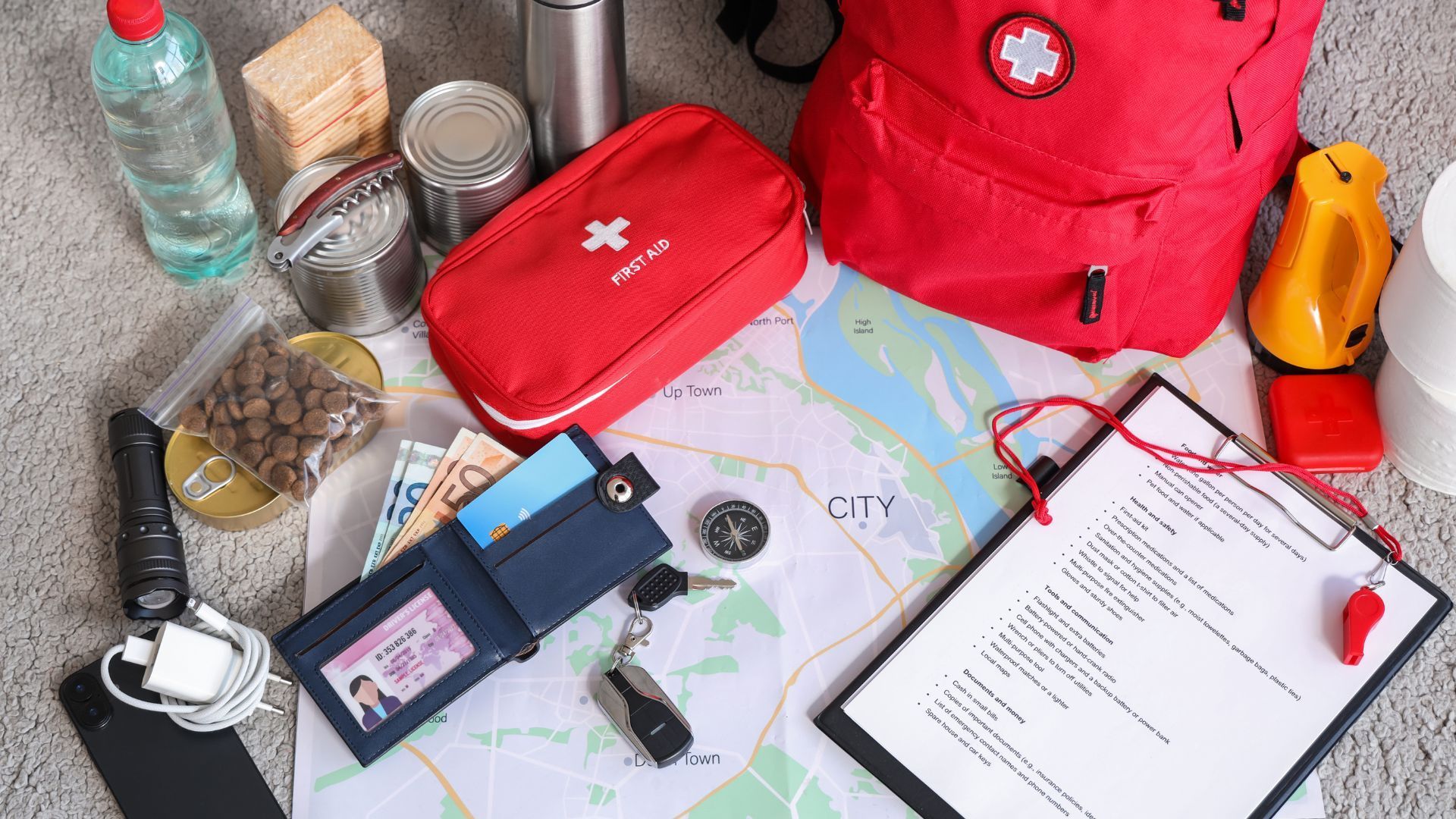
Every household should maintain emergency supplies for at least three days. Water, non-perishable food, medications, and first aid supplies prove essential. Power outages during disasters prevent accessing normal supplies.
One gallon of water per person per day represents minimum requirements. Include additional water for pets and sanitation needs. Store water in sealed containers away from direct sunlight.
Battery-powered or hand-crank radios provide information when power fails. Extra batteries for flashlights and radios become critical. Solar phone chargers maintain communication capabilities during extended outages.
Important documents should be stored in waterproof containers. Insurance policies, identification, and financial records need protection. Having copies accessible speeds recovery after disasters.
Home Protection Measures
Installing permanent storm shutters or having plywood pre-cut protects windows. High winds can break windows allowing wind and rain inside. Protecting openings reduces interior damage substantially.
Trimming trees and removing dead branches reduces wind damage risks. Trees too close to homes can fall onto structures. Regular maintenance minimizes these threats during severe weather.
Proper drainage around homes prevents water infiltration during floods. Grading should slope away from foundations directing water away. French drains and gutters manage water during heavy rainfall. Exploring neighborhoods in Round Rock should include assessing natural disaster vulnerabilities.
Securing outdoor furniture and equipment prevents them from becoming projectiles. High winds can turn everyday items into dangerous missiles. Storing or securing these items before storms protects property.
Community Resources and Plans
Round Rock released a draft hazard mitigation action plan in November 2024. This document outlines strategies for reducing long-term disaster risks. Community input helps shape future preparedness investments.
Emergency shelters open during disasters providing temporary refuge. The city announces shelter locations through emergency alert systems. Knowing potential shelter locations helps with evacuation planning.
Community organizations often provide disaster assistance and recovery support. Food banks, churches, and nonprofits mobilize during emergencies. Building connections before disasters facilitates faster help afterward.
Neighbors checking on each other during extreme weather saves lives. Vulnerable individuals may need assistance evacuating or sheltering. Strong community bonds improve overall disaster resilience substantially.
Conclusion
Round Rock, Texas natural disasters primarily involve severe weather phenomena. Tornadoes, flash flooding, and extreme heat pose the most significant threats. While not the most disaster-prone area, risks remain very real.
Recent events including the 2022 tornado and 2025 flooding demonstrate vulnerability. Climate change will increase heat and alter precipitation patterns going forward. These evolving risks require ongoing adaptation and preparedness.
What part of Texas has the most natural disasters depends on specific hazard types. Coastal areas face the worst hurricane threats while North Texas sees more tornadoes. Round Rock occupies a middle ground facing moderate risks across categories.
Proper preparation significantly reduces disaster impacts on families and property. Warning systems, emergency plans, and supplies enable effective responses. Taking time to prepare now pays dividends when disasters strike. For detailed climate risk assessments, explore Round Rock's climate hazards on ClimateCheck.
No community is disaster-proof but resilience comes from preparation. Understanding risks, maintaining supplies, and staying informed saves lives. Round Rock residents who prepare can weather most natural disasters safely.
InNout Movers: Your Texas Relocation Experts