Round Rock Crime & Safety Statistics: Understanding Safety in This Texas City
Darlene D • February 3, 2026
Understanding Round Rock crime & safety statistics helps families make informed relocation decisions. Safety concerns rank among the top priorities when choosing where to live. Accurate data reveals the reality beyond general perceptions and anecdotes.
Round Rock consistently earns recognition as one of America's safest cities. However, no community exists without crime entirely. Examining specific statistics, neighborhood variations, and trending patterns provides comprehensive safety understanding.
Overall Safety Rankings and Recognition
Round Rock maintains impressive safety rankings compared to other American cities. Multiple organizations analyze crime data producing independent assessments. These rankings provide context for evaluating the city's safety profile.
National Safety Rankings
MoneyGeek ranks Round Rock as the 26th safest city in America. This analysis examines nearly 300 U.S. cities using comprehensive crime data. The ranking considers both violent and property crime weighted appropriately.
The societal cost of crime per resident measures just $575 in Round Rock. This figure sits roughly 74% lower than the national average of $2,178. Lower crime costs indicate reduced victimization and associated economic impacts.
Round Rock significantly outperforms nearby Austin in safety metrics. Austin ranks 162nd nationally with a crime cost of $1,871 per resident. This substantial difference influences many families choosing Round Rock over Austin.
The Crime Index score places Round Rock at 16 on a 100-point scale. This means Round Rock ranks safer than only 16% of U.S. cities. While not the safest, it performs better than most comparable communities. Understanding safety by neighborhood helps target house hunting effectively.
Texas State Comparisons
Round Rock's crime rate exceeds 83% of Texas cities and towns. This statistic initially sounds concerning until you examine the context. Texas includes many small rural towns with virtually no crime.
Compared to similarly-sized Texas cities, Round Rock performs competitively. Major suburban cities face similar crime challenges related to population density. The comparison to tiny towns skews the statewide percentage misleadingly.
The violent crime rate sits well below Texas state averages. Your chance of violent crime victimization is 1 in 724 in Round Rock. The Texas average stands at 1 in 246 representing significantly higher risk.
Property crime rates approximate Texas averages quite closely. Round Rock's 1 in 46 chance compares to Texas's 1 in 45. This similarity reflects statewide patterns in theft and burglary.
Is Round Rock Safe to Live
Answering whether Round Rock is safe to live requires examining multiple data points. Overall statistics provide one perspective while neighborhood variations add nuance. Personal safety priorities also influence how individuals interpret data.
Violent Crime Analysis
Violent crime encompasses the most serious offenses affecting personal safety. Murder, rape, robbery, and assault constitute this category. These crimes create fear and directly threaten physical wellbeing.
Round Rock reported just 2 murders in the most recent data year. This extremely low number reflects the city's overall safety. However, 2024 saw 3 homicides including a mass shooting during Juneteenth.
The murder rate measures 0.02 per 1,000 residents annually. The national average stands at 0.06 per 1,000 representing triple Round Rock's rate. Murder remains exceptionally rare in this community.
Rape offenses totaled 39 incidents producing a 0.30 per 1,000 rate. The national average measures 0.38 per 1,000 residents. While any sexual assault is serious, Round Rock's rate stays below national norms.
Robbery incidents numbered 25 with a rate of 0.19 per 1,000 residents. The national average reaches 0.67 per 1,000 substantially higher. Armed robberies remain relatively uncommon in Round Rock.
Assault represents the most common violent crime category with 114 reports. The rate of 0.87 per 1,000 residents falls well below the national 2.64 average. Most assaults involve acquaintances rather than random stranger violence.
Total violent crime reaches 180 incidents annually for the city. With 130,406 residents, this produces a rate of 1.38 per 1,000. Your chance of violent crime victimization stands at approximately 1 in 724.
Property Crime Breakdown
Property crimes occur more frequently than violent offenses affecting more residents. Burglary, theft, and motor vehicle theft constitute this category. These crimes impact finances and sense of security without physical violence.
Burglaries totaled 214 incidents producing a 1.64 per 1,000 rate. The national average measures 2.51 per 1,000 residents. Home and business break-ins occur less frequently than national patterns.
Theft represents the most common crime category with 2,340 reported incidents. The rate reaches 17.94 per 1,000 residents exceeding the national 13.47 average. Most thefts involve shoplifting and stealing from vehicles.
Motor vehicle theft numbered 253 incidents with a 1.94 per 1,000 rate. The national average stands at 3.19 per 1,000 residents. Car thefts occur less frequently than many comparable cities.
Total property crime reaches 2,807 incidents annually across the city. This produces a rate of 21.53 per 1,000 residents. Your chance of property crime victimization approximates 1 in 46 annually. Understanding the cost of living in Round Rock includes considering potential crime-related expenses.
Round Rock Crime Rate Context
The overall Round Rock crime rate measures 22.91 per 1,000 residents annually. This combines both violent and property crime into one figure. Total reported crimes reached 2,987 for the city's population.
This rate sits considerably higher than the national average across all communities. However, it's not among communities with the very highest crime rates. Round Rock falls in the middle range for cities its size.
When compared to similarly-sized cities nationally, Round Rock performs near average. The crime rate isn't significantly higher or lower than expected. Population size correlates with crime rates making comparisons complex.
The Crime Index score of 16 means 84% of U.S. cities are safer. Conversely, Round Rock remains safer than 16% of American communities. This middle-ground position reflects suburban crime patterns nationally.
Neighborhood Safety Variations
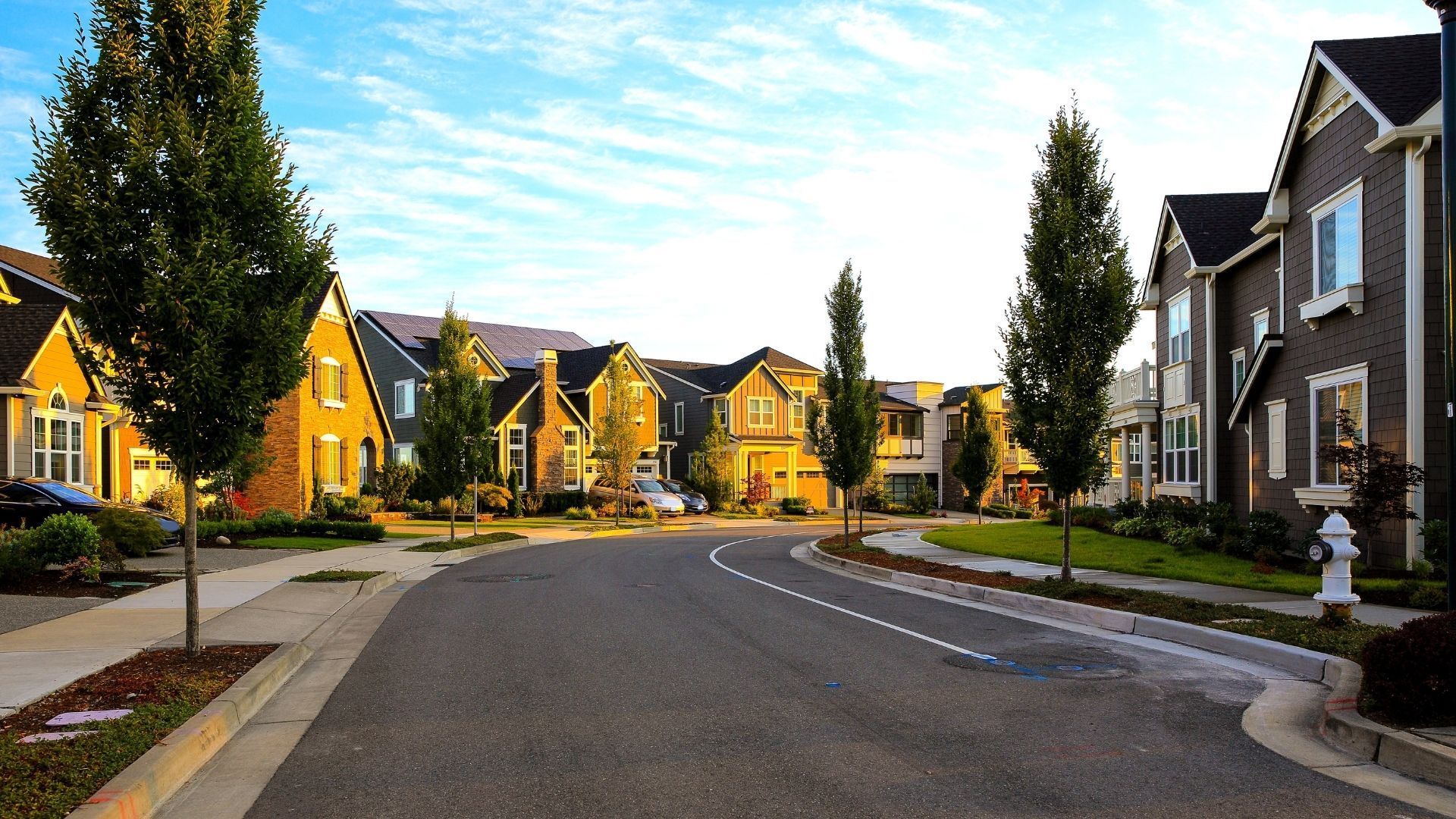
Crime doesn't distribute evenly across Round Rock's geography. Certain areas experience higher incident rates than others. Understanding these patterns helps families choose appropriate neighborhoods.
Safest Neighborhoods
Northeastern Round Rock consistently ranks as the city's safest area. The chance of crime victimization measures approximately 1 in 76 here. This section includes newer developments with active community engagement.
These neighborhoods feature newer construction with modern security features. Well-lit streets, neighborhood watch programs, and engaged residents deter crime. Property values tend higher reflecting the enhanced safety.
Family-oriented communities with strong HOAs maintain safer environments. Active associations enforce standards and monitor suspicious activity. Resident investment in safety creates self-reinforcing positive patterns. Exploring family-friendly neighborhoods often reveals the safest options.
Areas with Higher Crime
Northern Round Rock sections report higher relative crime rates. Victimization chances reach as high as 1 in 20 in these areas. However, even these neighborhoods remain safer than many American communities.
Higher crime areas often correlate with older housing stock and rentals. Transient populations reduce community cohesion enabling more crime. Lower property values attract residents with fewer resources for security.
Commercial corridors experience more property crime than residential streets. Retail theft, vehicle break-ins, and vandalism concentrate near shopping centers. These incidents inflate neighborhood crime statistics significantly.
Downtown Round Rock sees moderate crime primarily during evening hours. Bar-related incidents and vandalism occur more frequently here. However, 90% of residents still rate downtown as safe overall.
Interactive Crime Mapping Tools
Round Rock provides interactive crime mapping tools for residents. The Neighborhood Crime Reports system displays recent incidents by location. Residents can monitor their specific streets for concerning patterns.
The LexisNexis Community Crime Map offers another visualization option. This tool maps crimes with details about incident types and dates. Users can set geographic boundaries to focus on relevant areas. For detailed crime data and mapping, explore NeighborhoodScout's Round Rock crime analysis.
These tools empower residents to make informed decisions about safety. Patterns become visible that aggregate statistics might obscure. However, interpreting individual incidents requires context and perspective.
Crime Trends and Recent Changes
Examining crime trends over time reveals whether safety improves or deteriorates. Single-year statistics can reflect temporary anomalies rather than sustained patterns. Multi-year analysis provides better insight into true trajectory.
Recent Statistical Trends
Property crime decreased 7% in 2024 compared to the previous year. This positive trend reflects effective policing and community programs. Continued decreases would represent sustained improvement in this category.
Auto burglaries remain the most common property crime concern. Residents frequently leave valuables visible in vehicles attracting thieves. Public education campaigns emphasize removing items and locking doors.
Violent crime rates remain relatively stable year-over-year generally. The 2024 homicide increase resulted from one mass casualty incident. Excluding this outlier, violent crime maintained historical low levels.
The 2024 Juneteenth mass shooting represented an unusual event. Three people died in this incident affecting the annual statistics significantly. Such events don't reflect typical daily safety conditions residents experience.
Contributing Factors to Crime Patterns
Round Rock's growth brings both opportunities and challenges for safety. Rapid population expansion strains police resources and community cohesion. However, growth also brings resources for enhanced public safety investment.
The city's proximity to Austin creates spillover effects in crime patterns. Some offenders commute from Austin targeting Round Rock properties. Regional coordination between departments addresses these cross-jurisdictional issues.
Economic factors influence property crime rates substantially. Recessions and unemployment correlate with increased theft and burglary. Round Rock's strong economy helps maintain relatively low property crime.
Drug-related offenses contribute to various crime categories indirectly. Addiction drives property crime as users seek money for substances. Treatment and prevention programs address root causes beyond enforcement.
Public Safety Resources and Initiatives
Round Rock invests heavily in public safety infrastructure and programs. The city allocates approximately $70 million from its general fund to police. This substantial investment enables comprehensive law enforcement services.
Police Department Structure
The Round Rock Police Department employs over 200 sworn officers. This staffing level maintains appropriate officer-to-resident ratios. Response times remain quick for emergency calls across the city.
The department follows a community policing philosophy emphasizing relationships. Officers build connections with neighborhoods fostering trust and cooperation. This approach prevents crime more effectively than reactive enforcement alone.
Specialized units address specific crime types requiring expertise. Gang units, narcotics teams, and property crime investigators focus efforts. Specialization improves clearance rates and disrupts criminal networks.
Technology integration enhances policing efficiency and effectiveness. License plate readers, body cameras, and data analytics inform operations. These tools help deploy resources where they're needed most.
Community Safety Programs
Neighborhood watch programs operate throughout Round Rock encouraging resident vigilance. Trained participants report suspicious activity and deter crime through visibility. These programs strengthen community bonds while improving safety.
Citizens on Patrol volunteers assist police with non-enforcement activities. These trained community members conduct neighborhood patrols and provide eyes on the street. Their presence deters opportunistic crime in residential areas.
Safety education programs teach crime prevention strategies to residents. Topics include home security, personal safety, and fraud prevention. Informed residents become partners in maintaining safe communities.
Youth programs build positive relationships between police and young people. School resource officers, mentoring programs, and educational initiatives create connections. These relationships reduce juvenile delinquency and build future community support. Understanding the average salary in Round Rock helps contextualize the city's ability to fund public safety.
Resident Safety Perceptions
Statistical crime rates tell only part of the safety story. How residents actually feel about safety influences quality of life significantly. Survey data reveals resident perceptions complementing objective statistics.
Community Safety Surveys
Recent surveys show 91% of residents feel safe or very safe overall. This high satisfaction rate indicates statistics translate to actual security feelings. Most people go about daily activities without fear or concern.
Downtown Round Rock receives 90% safe ratings from surveyed residents. This strong score reflects both low crime and visible police presence. Evening activities downtown proceed comfortably for most people.
City parks earn 84% safe ratings demonstrating confidence in public spaces. Families use parks extensively without significant safety concerns. Good lighting, maintenance, and occasional patrols maintain this perception.
Some demographic groups express more safety concerns than others predictably. Women, elderly residents, and minorities sometimes feel less secure. Addressing these perception gaps remains an ongoing priority.
Comparing Perceptions to Statistics
Resident perceptions generally align with actual crime statistics in Round Rock. Areas statistically safer receive higher safety ratings from residents. This correlation suggests people accurately assess their environments.
Media coverage of rare violent incidents can temporarily skew perceptions. The 2024 mass shooting heightened concerns despite being statistically anomalous. These emotional responses gradually normalize as time passes without recurrence.
Property crime affects perceptions more than statistics might suggest. Even minor thefts from vehicles create feelings of violation. Multiple small incidents can impact feelings more than rare serious crimes.
Conclusion
Round Rock crime & safety statistics reveal a generally safe community for families. The city ranks among America's safest mid-sized cities consistently. Violent crime occurs rarely while property crime rates approximate national averages.
Neighborhood variations exist requiring research into specific areas. Northeastern sections offer enhanced safety while northern areas see more incidents. However, even higher-crime Round Rock neighborhoods remain safer than many alternatives.
The question "is Round Rock safe to live" receives a qualified yes for most people. No guarantee of complete safety exists anywhere in America. However, Round Rock provides above-average security for residents and families.
Continued investment in policing and community programs supports ongoing safety. Crime trends show stability or improvement in most categories. The city's commitment to safety helps maintain its attractive profile.
Families should research specific neighborhoods rather than relying on city-wide statistics. Use available mapping tools and visit areas personally before deciding. This thorough approach identifies locations matching your safety requirements and comfort level.
InNout Movers: Your Texas Relocation Experts